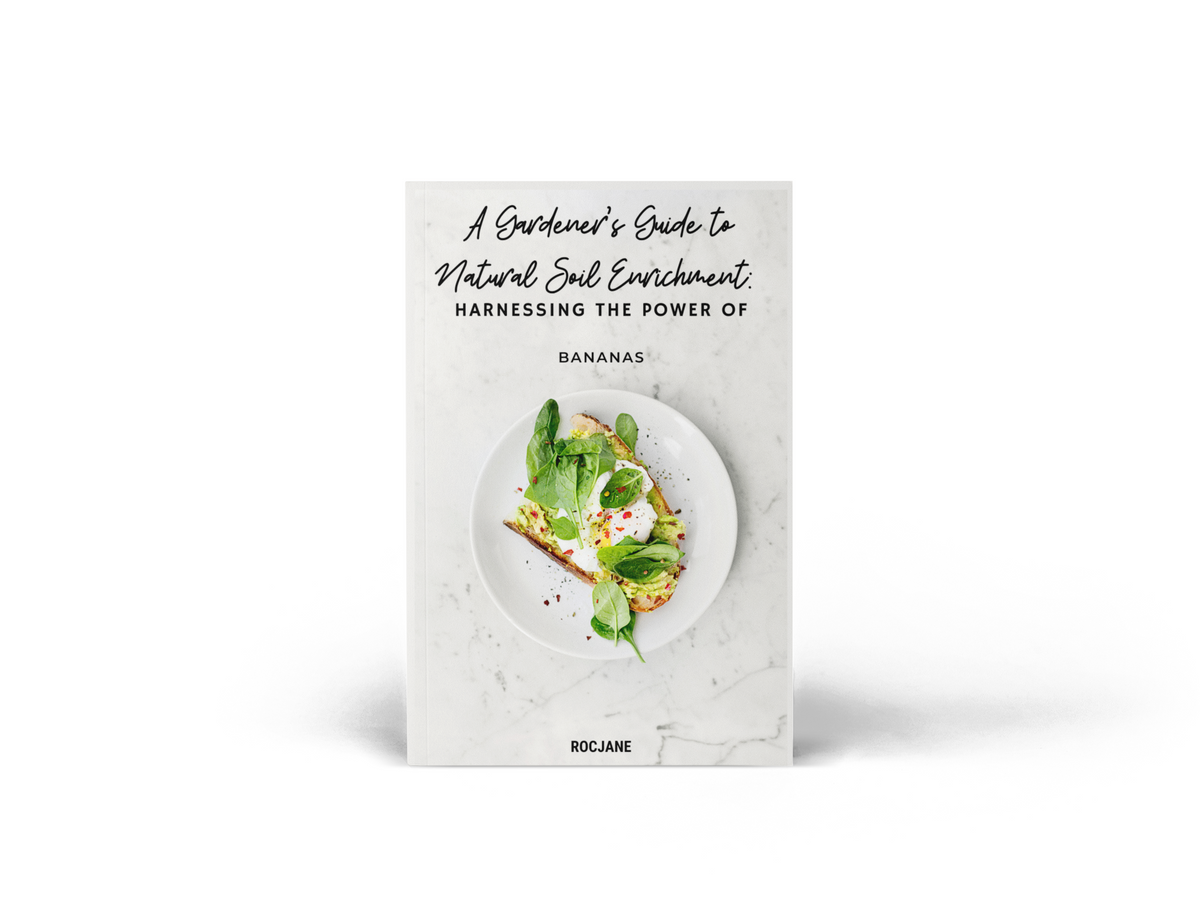

Dried Banana Peel Fertilizer
Dried Banana Peel Fertilizer
Couldn't load pickup availability
Banana peels are often discarded, but gardeners interested in reducing household waste may be able to return them to the soil through responsible composting and other carefully managed methods.
Dried Banana Peel Fertilizer explores how banana peels can be prepared, stored, composted, and used as one component of a broader plant-care plan.
Banana peels contain plant nutrients, but simply placing them around a plant does not make those nutrients immediately available to its roots. Organic material must break down, and the amount and availability of nutrients can vary considerably. Banana peels also do not provide every nutrient plants need in the correct proportions.
This practical guide separates realistic uses from exaggerated online claims. Readers will learn why drying and cutting peels into smaller pieces can make them easier to store or incorporate into compost, how decomposition returns organic material to the soil, and why plant health depends on much more than a single kitchen scrap.
Rather than promising instant growth, dramatic blooms, or larger harvests, the book encourages observation, moderation, soil awareness, and responsible gardening.
INSIDE, READERS WILL DISCOVER
• What banana peels contain—and what they do not provide
• Why banana peels are not a complete or balanced fertilizer
• How decomposition makes nutrients available over time
• Ways to clean, dry, cut, grind, and store banana peels
• Important moisture, mold, odor, and storage considerations
• How dried peels may be incorporated into a compost system
• The role banana peels can play in vermicomposting
• Why chopping organic scraps can help them break down more efficiently
• Potential problems with burying large or fresh pieces near plants
• How exposed food scraps may attract insects, rodents, or other animals
• Considerations for using banana-peel material around houseplants
• Why homemade “banana water” is not a complete liquid fertilizer
• How soil tests can help identify actual nutrient needs
• The difference between soil amendments, compost, and fertilizers
• Why excessive nutrients can harm plants or move beyond the root zone
• How to compare homemade amendments with labeled commercial products
• Ways to combine waste reduction with responsible plant care
Suitable for beginner gardeners, composters, houseplant enthusiasts, and sustainability-minded readers, Dried Banana Peel Fertilizer offers a balanced look at transforming one common kitchen scrap into a useful part of a larger soil-building practice.
Waste less. Compost thoughtfully. Feed the soil according to what it actually needs.
GARDENING AND SAFETY DISCLAIMER
This book provides general educational gardening information only. Results vary according to plant species, soil conditions, climate, preparation method, application amount, and other factors. Dried banana peels are not a substitute for soil testing or a complete fertilization program.
Use caution with ovens, dehydrators, grinders, blenders, and sharp tools. Follow all manufacturer instructions and do not leave heating equipment unattended. Avoid inhaling fine organic dust, and discard material that develops unexpected mold, contamination, or unpleasant spoilage odors.
Gardeners growing edible crops should follow appropriate composting, sanitation, and food-safety practices. Consult a local agricultural extension service, horticulturist, or other qualified professional when addressing significant soil deficiencies, plant disease, pest infestations, or questions about local gardening conditions.
EBOOK PRODUCT DETAILS
- Format: eBook
- Genre: Gardening, Composting, Sustainable Living, Organic Waste Reduction, and Home and Garden
- Themes: Banana peels, homemade soil amendments, composting, vermicomposting, plant nutrition, soil health, kitchen-scrap reuse, waste reduction, sustainable gardening, and responsible fertilization
- Audience: Home gardeners, houseplant enthusiasts, beginner composters, sustainability-minded households, organic-gardening readers, and anyone interested in reusing kitchen scraps responsibly
- Author: RocJane